Friday, January 19, 2024

My ebird Recounted 2023


eBird Recounted 2023

Hi Julian E Moore,

Thank you for your contributions to eBird this year.

Your birding helped to build groundbreaking conservation tools and transformative birding resources, inspiring the millions of people who visit Cornell Lab of Ornithology resources to study, learn, and conserve bird populations.

Your eBird Stats for 2023

In 2023 you contributed:

Screenshot your stats to share your eBird Recounted 2023.

Minute by minute, kilometer by kilometer, your eBird checklists aided scientific discovery and conservation action. Read more about how your participation helped birds in 2023 Year in Review: eBird, Merlin, Macaulay Library, and Birds of the World.

eBird Global Stats Image

Saturday, January 13, 2024

2023 Checklist

2023 was a good year of birding for birding. I saw 142 bird species including 16 lifers across five countries - Barbados (9), Grenada (2), Bonaire (3), Aruba (1), and Curaçao (2). See my checklist below.

Key: Rare birdsBarbados Purple lifer; W.I Lifers; World Lifer 


143.Bonaparte's Gull - Chroicocephalus Philadelphia (Bar#161;WI#209;Wor#377)

___________________________________________________


142.Bonaparte's Gull - Chroicocephalus Philadelphia (Bar#161;WI#209;Wor#377)
141.Killdeer - Charadrius vociferus
140.Yellow-crowned Night Heron - Nyctanassa violacea
149.Northern Pintail - Anas acuta
138.Manx Shearwater - Puffinus puffinus (Barbados #160;WI#208;World#376)
137.Green-winged Teal - Anas crecca
136.Black-and-white Warbler - Mniotilta varia
135.Blue-winged Warbler - Vermivora cyanoptera (Bar#159;WI#207;World#375)
134.Rose-breasted Grosbeak - Pheucticus ludovicianus (Bar#158;WI#206;Wor#374)
133.Blackpoll Warbler - Setophaga striata
132.Prothonotary Warbler - Protonotaria citrea
131.Buff-breasted Sandpiper - Calidris subruficollis
130.Bobolink - Dolichonyx oryzivorus
139.Northern Wheatear - Oenanthe oenanthe (Barbados #157;WI#205;Wor#373)
128.Upland Sandpiper - Bartramia longicauda
127.Yellow-billed Cuckoo - Coccyzus americanus
126.Hudsonian Godwit - Limosa haemastica
125.Gull-billed Tern - Gelochelidon nilotica
124.Common Nighthawk - Chordeiles minor
123.Cliff Swallow - Petrochelidon pyrrhonota
122.Fork-tailed Flycatcher - Tyrannus savana
121.White-rumped Sandpiper - Calidris fuscicollis
120.Sandwich Tern - Thalasseus sandvicensis
129.Whimbrel - Numenius phaeopus
118.Willet - Tringa semipalmata
117.American Golden-Plover - Pluvialis dominica
116.Pectoral Sandpiper - Calidris melanotos
115.House Swift - Apus nipalensis (Barbados #156;WI#204;World#372)
114.Fulvous Whistling-Duck - Dendrocygna bicolor
113.Curlew Sandpiper - Calidris ferruginea (Barbados #155;WI#203;World#371)
112.Roseate Tern - Sterna dougallii
111.Gray Heron - Ardea cinerea
110.Collared Plover - Anarhynchus collaris
109.Black Swift - Cypseloides niger
108.Common Tern - Sterna hirundo
107.Bank Swallow - Riparia riparia
106.Least Tern - Sternula antillarum
105.Palm Tanager - Thraupis palmarum
104.Blue-gray Tanager - Thraupis episcopus
103.Yellow Oriole - Icterus nigrogularis
102.Crested Oropendola - Psarocolius decumanus
101.Spectacled Thrush - Turdus nudigenis
100.Southern Lapwing - Vanellus chilensis
99.  Smooth-billed Ani - Crotophaga ani
98.  Great Kiskadee - Pitangus sulphuratus
97.  Short-tailed Swift - Chaetura brachyura
96.  Gray-breasted Martin - Progne chalybea
95.  White-winged Swallow - Tachycineta albiventer
94.  Black Vulture - Coragyps atratus
93.  Striated Heron - Butorides striata
92.  Merlin - Falco columbarius
91.  Rufous-collared Sparrow - Zonotrichia capensis (World#370)
90.  Blue-tailed Emerald - Chlorostilbon mellisugus(World#369)
89.  Osprey - Pandion haliaetus
88.  Neotropic Cormorant - Nannopterum brasilianum(World#368)
87.  Black-necked Stilt - Himantopus mexicanus
86.  Crested Caracara - Caracara plancus (World#367)
85.  White-tipped Dove - Leptotila verreauxi
84.  Saffron Finch - Sicalis flaveola
83.  Venezuelan Troupial - Icterus icterus
82.  Brown-throated Parakeet - Eupsittula pertinax (World#366)
81.  Bare-eyed Pigeon - Patagioenas corensis (World #365)
80.  Bridled Tern - Onychoprion anaethetus
79.  Sooty Tern - Onychoprion fuscatus
78.  Lesser Antillean Bullfinch - Loxigilla noctis
77.  Rufous-breasted Hermit - Glaucis hirsutus (WI#202)
76.  Lesser Antillean Tanager - Stilpnia cucullata(WI#201;World#364)
75.  Yellow-bellied Elaenia - Elaenia flavogaster(WI#200)
74.  Grenada Flycatcher - Myiarchus nugator(WI#199;World#363)
73.  Broad-winged Hawk - Buteo platypterus
72.  Tropical Mockingbird - Mimus gilvus
71.  Masked Booby - Sula dactylatra
70.  Red-footed Booby - Sula sula
69.  Black-crowned Night Heron - Nycticorax nycticorax
68.  Brown Pelican - Pelecanus occidentalis
67. Garganey - Spatula querquedula (Barbados#154;WI#198;World #362)
66.  Laughing Gull - Leucophaeus atricilla
65.  Masked Duck - Nomonyx dominicus
64.  Western Sandpiper - Calidris mauri
63.  Red-billed Tropicbird - Phaethon aethereus
62.  American Oystercatcher - Haematopus palliates
61.  Northern Waterthrush - Parkesia noveboracensis
60.  Caribbean Martin - Progne dominicensi
59.  Glossy Ibis - Plegadis falcinellus
58.  Sanderling - Calidris alba
57.  Orange-winged Parrot - Amazona amazonica
56.  Grassland Yellow-Finch - Sicalis luteola
55.  Sora - Porzana carolina
54.  Pied-billed Grebe - Podilymbus podiceps
53.  Magnificent Frigatebird - Fregata magnificens
52.  Rock Pigeon - Columba livia
51.  Barbados Bullfinch - Loxigilla barbadensis
50.  Bananaquit - Coereba flaveola
49.  Yellow Warbler - Setophaga petechia
48.  Black-whiskered Vireo - Vireo altiloquus
47.  Caribbean Elaenia - Elaenia martinica
46.  Rose-ringed Parakeet - Psittacula krameri
45.  Antillean Crested Hummingbird - Orthorhyncus cristatus
44.  Scaly-naped Pigeon - Patagioenas squamosa
43.  Eared Dove - Zenaida auriculata

42.  Common Ground Dove - Columbina passerina
41.  Green-throated Carib - Eulampis holosericeus
40.  Belted Kingfisher - Megaceryle alcyon
39.  Black-bellied Plover - Pluvialis squatarola
38.  Semipalmated Plover - Charadrius semipalmatus
37.  Ruddy Turnstone - Arenaria interpres
36.  Red Knot - Calidris canutus
35.  Stilt Sandpiper - Calidris himantopus
34.  Semipalmated Sandpiper - Calidris pusilla
33.  Short-billed Dowitcher - Limnodromus griseus
32.  Peregrine Falcon - Falco peregrinus
31.  American Coot - Fulica americana
30.  Wilson's Snipe - Gallinago delicata
29.  Solitary Sandpiper - Tringa solitaria
28.  Lesser Yellowlegs - Tringa flavipes
27.  Black-faced Grassquit - Melanospiza bicolor
26.  House Sparrow - Passer domesticus (Barbados#153)
25.  Little Blue Heron - Egretta caerulea
24.  American Wigeon - Mareca americana
23.  Lesser Scaup - Aythya affinis
22.  Greater Yellowlegs - Tringa melanoleuca
21.  Eurasian Collared-Dove - Streptopelia decaocto
20.  Green Heron - Butorides virescens
19.  Lesser Black-backed Gull - Larus fuscus
18.  Shiny Cowbird - Molothrus bonariensis
17.  Cattle Egret - Bubulcus ibis
16.  Gray Kingbird - Tyrannus dominicensis
15.  Barn Swallow - Hirundo rustica
14.  Black-bellied Whistling-Duck - Dendrocygna autumnalis
13.  Blue-winged Teal - Spatula discors
12.  Ring-necked Duck - Aythya collaris
11.  Zenaida Dove - Zenaida aurita
10.  Common Gallinule - Gallinula galeata
9.    Carib Grackle - Quiscalus lugubris
8.    Least Sandpiper - Calidris minutilla
7.    Spotted Sandpiper - Actitis macularius
6.    Little Egret - Egretta garzetta
5.    Snowy Egret - Egretta thula
4.    Great Blue Heron - Ardea herodias
3.    Great Egret - Ardea alba
2.    Royal Tern - Thalasseus maximus
1.    Brown Booby - Sula leucogaster

Monday, January 1, 2024

Goodbye 2023, Hello 2024

Blue-winged Warbler, one of my lifers and a first for Barbados
As 2023 comes to an end, I can confidently say that it was one of the best, if not the best, birding years of my life. I spotted 142 species throughout the year, 111 of them in Barbados. That’s the second-highest number I’ve ever seen in a single year on the island. I also added 16 lifers, 9 of them, including two new records, for Barbados: the House Swift (Apus nipalensis)/Little Swift (Apus affinis), observed in the hills of Cambridge, St. Joseph in June, and the Blue-winged Warbler (Vermivora cyanoptera), found at Harrison’s Point in October. On top of that, I saw lots of mega rare birds, which made it hard to pick my bird of the year. So I decided to choose two.

  • House Swift/Little Swift - This bird is still being identified, as it could be the first sighting for the Western Hemisphere. The experts are carefully examining the images of this bird. 
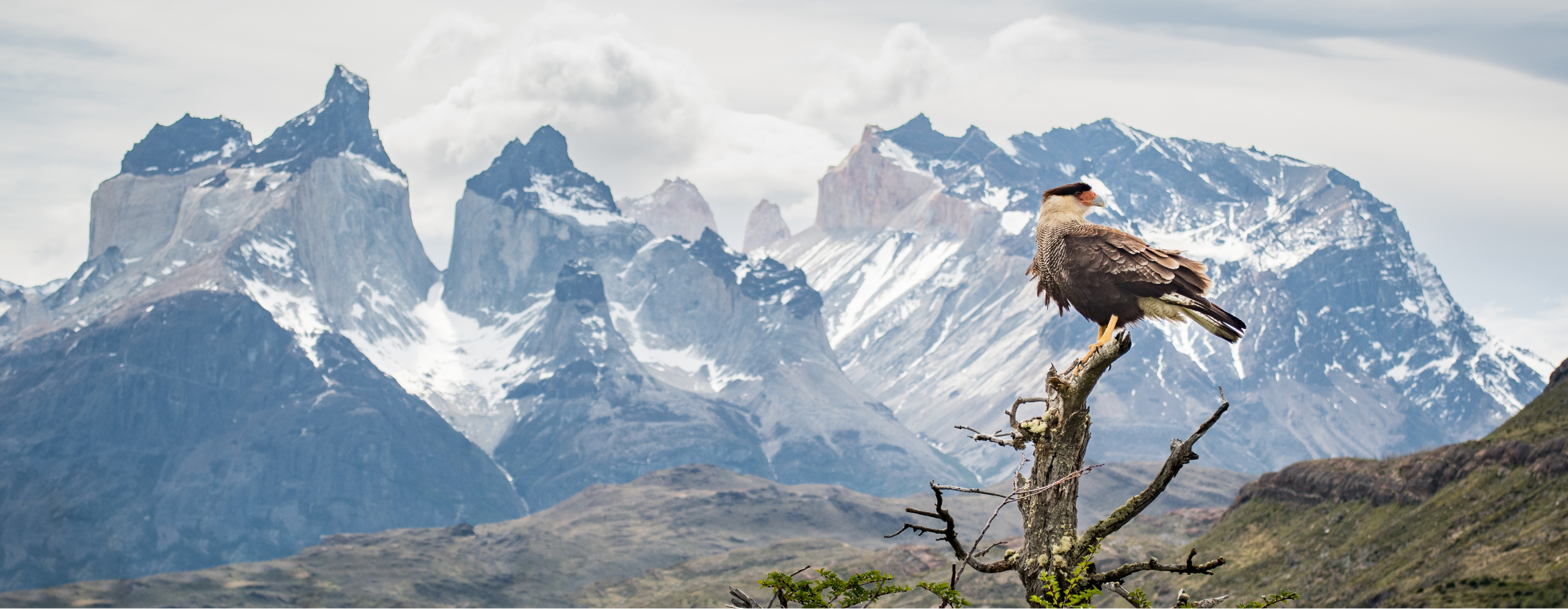
  •  Crested Caracara (Caracara plancus) - This was a bird that I had wanted to see for a long time, since 2016. I finally got to see it in Bonaire and then had a better view in Curaçao.

Goals for 2024

Bird photography was my main goal in 2023, and I did quite well in that regard (see images here). I plan to keep pursuing this passion in 2024. I also aim to expand my local and global lifers list by 23 species, with at least 5 of them from Barbados. I have a trip planned for this year that should help me achieve the remaining 18 species.

I’m looking forward to seeing how it turns out at the end of 2024. I wish you a wonderful year of birding.

Saturday, November 18, 2023

Southern Caribbean 2023 - Day 3 Aruba

Rock Pigeon at the Aloe Factory 

On the fourth day of the Southern Caribbean Cruise, I started birding later than normal, around 6:30 AM because I was feeling unwell. As we arrived at the port of Oranjestad, the capital of Aruba, I saw some familiar Caribbean Seabirds like Laughing Gulls (Leucophaeus atricilla), Magnificent Frigatebirds (Fregata magnificent) and Brown Pelicans (Pelecanus occidentalis). I had planned to join a guided birding tour with Michiel Oversteegen, of  Bird Watching Aruba, but it didn’t work out. Instead, we visited some interesting places and one of the best birding spots on the island.


The first place we went to was the Aruba Aloe Factory, where we saw how they made products from a single plant. I learned that the Aloe Vera subspecies they used had the same Latin name as our island - Barbadensis. I wondered if there was any connection to Barbados because one of the birds I wanted to see on this trip also had that name - Amazona barbadensis, the Yellow-shouldered Parrot. The factory was surrounded by a dry and dusty landscape, with Hubada (Acacia tortuosa) shrubs everywhere. The only birds I noticed were common ones like Bare-eyed Pigeons (Patagioenas corensis), Rock Pigeons (Columba livia), House Sparrows (Passer domesticus), and so on.  I got excited when I spotted an owl on a roof, but it turned out to be fake, lol.

Five Neotropic Cormorants at Bubali Bird Sanctuary, my only lifer from Aruba
The only real birding stop we made was at the Bubali Bird Sanctuary, a wetland oasis with tall buildings around it. We walked along a trail from the road to a lookout tower that overlooked the marshy grassland. There, I saw my first Yellow Warbler (Setophaga petechia) of the trip in the bushes below. I also saw my fifth lifer for the trip, Neotropic Cormorant (Nannopterum brasilianum), in that area.

After Bubali, we went back to the ship for a late lunch and some rest. There were no more birding surprises for the rest of the day. I hope to come back to Aruba someday and take that tour with Michael because there are so many beautiful birds to see on this island.

Number of Species recorded on the Day: 22
Number of Lifers recorded on the Day: 1
Total Species recorded for the Trip: 51
Total Lifers recorded for the trip: 5 


Friday, November 17, 2023

Harrison Point Warbler Season 2023

Blackpoll Warbler, an annual visitor to Harrison's Point 
I love October because it’s the time of year when warblers visit Harrison’s Point in St. Lucy, a hotspot for migratory birds. I have had some wonderful experiences there over the years, such as seeing 15 Blackpoll Warblers (Setophaga striata) on a wet day in 2017, a Blackburnian Warbler (Setophaga fusca) in 2014, and two new birds for me: Black and White Warbler (Mniotilta variaon) and Summer Tanager (Piranga rubra) last year.
Northern Wheatear, one of my 3 lifers from HP in 2023
But this year was the best. I spotted 37 species, including three lifiers: Northern Wheatear (Oenanthe oenanthe)
Rose-breasted Grosbeak (Pheucticus ludovicianus), and Blue-winged Warbler (Vermivora cyanoptera), which was also a new record for Barbados. Bobolinks (Dolichonyx oryzivorus) were everywhere, I counted more than 200 on August 29th. They were so abundant that they outnumbered all the other seed eaters, even the Grassland Yellow-Finch (Sicalis luteola). Yellow-billed Cuckoos (Coccyzus americanus) also put on a great display at HP this year. I recorded over 50 individual birds for the year. A pair of Upland Sandpipers (Bartramia longicauda), a bird that is very hard to find on the island, were easily visible there this year. 

Upland Sandpipers
Why did the birds gather or stay at Harrisons Point this year? I don’t know for sure, but I think it had something to do with the two open fields across from the hospital entrance where most of the birds were seen. This field used to be covered with River Tamarind (Leucaena leucocephala), but that was cleared and it was ready for planting, but then we had a lot of rain and some native grasses with seeds grew, which drew in the seed eaters. Some plants also attracted butterflies and moths, which the Cuckoos, Upland Sandpiper, and Warblers took advantage of. It shows how vital feeding areas are along the migration paths of these travelers. I hope this is not the last time we see Harrison Point full of migratory birds like it was in 2023.

Images from HP 2023
lots of Bobolinks 
Rose-breasted Grosbeak one of my 3 lifers
Blue-winged Warbler another lifer 
Prothonotary Warbler was the prettiest warbler at HP this year
A curious Yellow-billed Cuckoo 
Another Yellow-billed Cuckoo drying out after a downpour


Sunday, October 22, 2023

My 2023 Images - September

September was a month of bird photography for me.  After being inspired by a visiting bird photographer from the UK, Mark Went (Art Studio Wild), I made time just to get out and photograph birds artistically, and not just in a documentary style.  A planned morning of strictly bird photography with a few members of our local photographic club, The Barbados Photographic Society, also helped in that endeavor.  You may notice for the second month in a row the focus was on shorebirds, my favorite subject, which may change in the coming months as I try to balance documenting the arrival of migratory songbirds and planning and preparing photo excursions in the ever-decreasing spare time I have available. As you may know, my tools of choice are trusty Canon 7D II, Candace II, and a Sigma 150-600mm 5-6.3 Contemporary DG OS HSM, also known as Big Selma, and edited the photos with Lightroom 5.  I hope you will enjoy the images and feel free to contact me for prints or otherwise. 

Ruddy Turnstone in breeding plumage 

Camera shy Sanderling

Sanderling in the morning light
Ruddy Turnstone
Ruddy Turn so 😁

Least sandpiper at Portvile Sugar Factory
Yellow Warbler
Little Blue Heron in the fading light 
Laughing Gull
Gull-billed Tern
Masked Duck


Tuesday, October 17, 2023

October Birding at HP

Northern Wheatear, one of my two Harrison's Point Lifers for 2023
Harrison’s Point (HP), St. Lucy, is my favorite birding spot in October. This place is known for attracting migratory sound birds every year. This month has been halfway through, and I have already seen some regular visitors and some unexpected ones.

A Blackpoll Warbler at HP last year
Some of the birds that I usually see at HP around this time are Blackpoll Warblers (Setophaga striata), Yellow-billed Cuckoos (Coccyzus americanus), and Bobolinks (Dolichonyx oryzivorus). They have all shown up this year as well. Sometimes, HP also surprises me with some rare birds, like the Black and White Warbler (Mniotilta varia) and Summer Tanager (Piranga rubra) that I saw last year, or the Black-throated Green Warbler (Dendroica virens) and Blackburnian Warbler (Setophaga fusca) that was spotted in 2014.

Prothonotary Warbler, my first record of this warbler at HP
This year, I have seen four special birds so far, two of which were lifers for me - the elusive Upland Sandpiper (Bartramia longicauda), the stunning Prothonotary Warbler (Protonotaria citrea), and then two lifers: a Northern Wheatear (Oenanthe oenanthe), which is extremely rare in this region and only the third record for the island, and the Rose-breasted Grosbeak (Pheucticus ludovicianus), which is probably the second record for the island. With just two more weeks to go in October, I will be looking forward to seeing more birds at Harrison’s Point.